
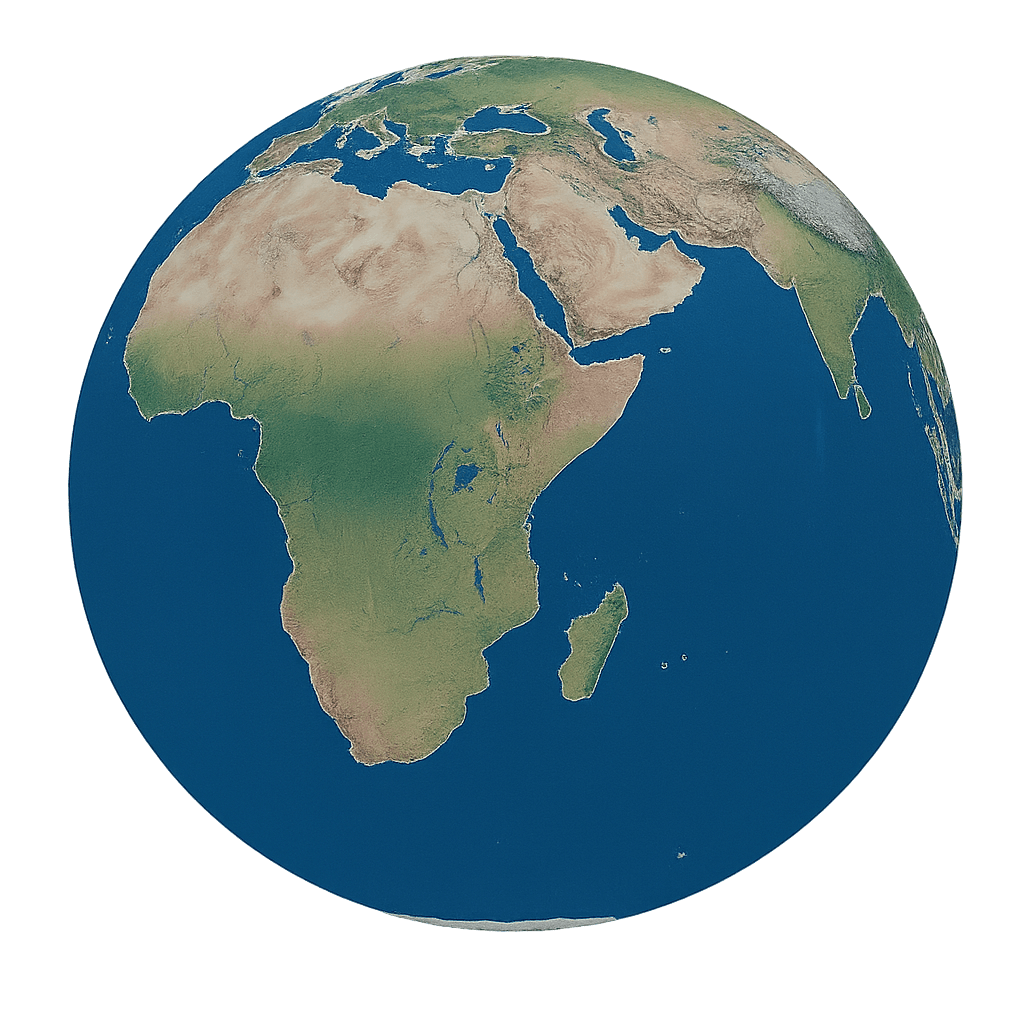
US Quietly Assists Commercial Shipping Through Hormuz Waterway
The strategic passageway was closed by Iran to ships from what it described as “hostile countries” following the US and Israeli airstrikes launched on February 28. Before the restrictions, the strait served as a critical route for roughly 20% of global oil and liquefied natural gas exports. Tehran later announced that vessels from other nations could still transit the area provided they obtained authorization, paid required fees, and followed military directives.
In April, US President Donald Trump unveiled an initiative known as Project Freedom, which was intended to assist merchant vessels stranded by the disruption. The program was publicly halted less than two days after its announcement, reportedly after Saudi Arabia declined requests related to the use of its airspace and military facilities.
Despite the suspension of the initiative, reports indicate that US Central Command has continued coordinating the movement of commercial shipping through the region. Officials cited in those reports said approximately 70 vessels have successfully crossed the waterway during the past three weeks with US assistance.
According to the same accounts, many of the ships deactivated their tracking transponders while transiting the area in an effort to avoid detection by Iranian forces. The vessels reportedly followed routes closer to the coast of Oman rather than using more traditional shipping lanes.
Although a ceasefire agreement was reached on April 8, maritime traffic through the strait remains far below normal levels. Before the conflict, around 150 ships passed through the chokepoint each day. Reports suggest that the current figure has dropped to fewer than ten daily transits.
The disruption has left a substantial number of vessels stranded in the Persian Gulf. Estimates indicate that between 1,600 and 2,000 ships, including major oil and gas tankers, remain unable to operate normally, affecting tens of thousands of sailors.
Meanwhile, the United States imposed a blockade on Iranian ports in April and has since intercepted more than 100 cargo vessels, according to reports.
Iran’s Islamic Revolutionary Guard Corps stated on Sunday that 28 ships had successfully passed through the Strait of Hormuz during the previous 24-hour period after receiving the necessary authorization. The announcement highlighted the continued regulation of maritime traffic through one of the world’s most important energy transit routes.
Legal Disclaimer:
EIN Presswire provides this news content "as is" without warranty of any kind. We do not accept any responsibility or liability for the accuracy, content, images, videos, licenses, completeness, legality, or reliability of the information contained in this article. If you have any complaints or copyright issues related to this article, kindly contact the author above.
